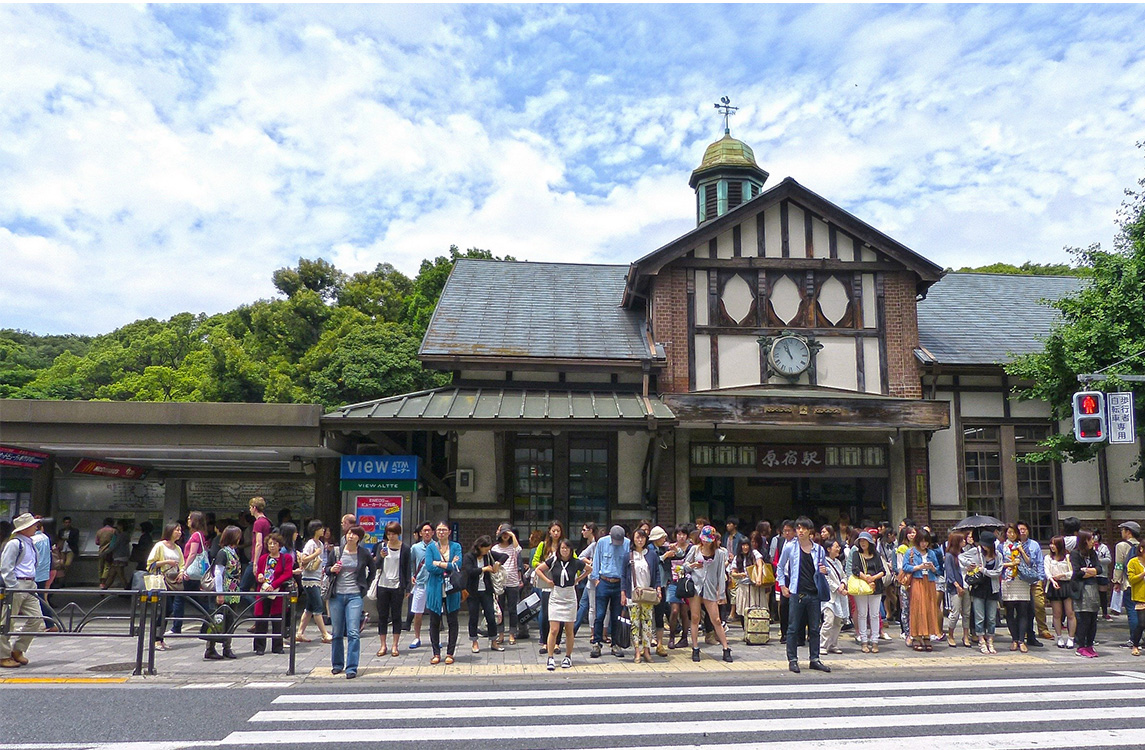
In the heart of Tokyo lies Harajuku, a vibrant epicenter of youth culture known for its "kawaii" charm, rich cultural landmarks like Meiji Shrine, and an abundance of high-end real estate. Despite its central location commanding premium rents, the area offers unparalleled convenience and a unique blend of modernity with lush natural spaces. This introduction aims to unfold the livability of Harajuku, guiding you through the colorful streets where tradition meets contemporary living. Let's explore what makes Harajuku not just a fashion statement, but a highly desirable place to call home.
Overall Livability Rating of Harajuku
| Rating | |
|---|---|
| Asset Appreciation | ★★★★★ |
| Central Access | ★★★★ |
| Safety | ★★★ |
| Shopping Convenience | ★★★ |
| Dining Variety | ★★★★ |
| Entertainment Options | ★★★★★ |
| Child-Friendly | ★★★ |
| Parking Ease | ★★ |
Harajuku Unveiled: Top 10 Keywords that Define the City
Stylish, Crowded, Tourists Many, Convenient Transportation, Greenery, Cute, Street Fashion, Shrine, Luxury Mansion, Youth Culture
Harajuku: Where Trends and Tradition Converge
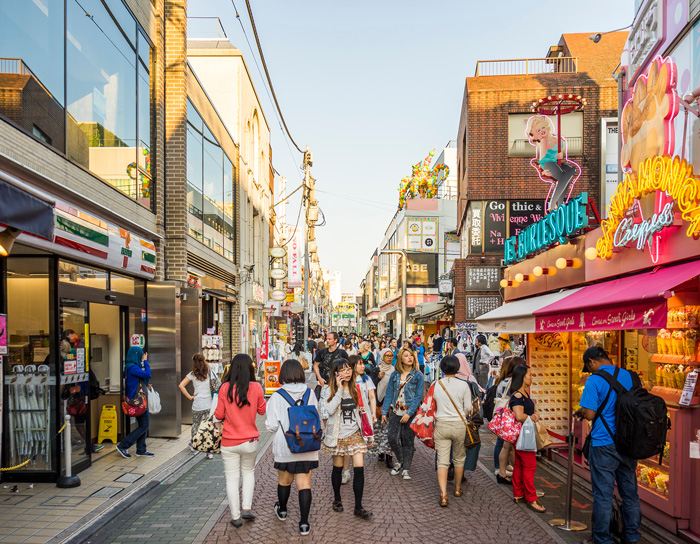
Harajuku, located in Shibuya, Tokyo, is globally renowned as the heart of Japan's youth culture and fashion. Takeshita Street, the district's emblem, is lined with boutiques showcasing the latest trends and stores offering Instagram-worthy food. Harajuku stands out as a vibrant blend of streetwear and "kawaii" culture, where various styles converge in a dynamic area.
Beyond its appeal to the youth, Harajuku has much more to offer. Omotesando features stores of world-famous brands, chic cafes, and restaurants catering to fashion-savvy adults. The area is also home to expansive green spaces like Meiji Shrine and Yoyogi Park, offering serene retreats from the urban hustle and bustle.
For foreigners, Harajuku offers a comfortably navigable environment, thanks to its multicultural vibe and prevalence of English-speaking establishments and international cuisine. Moreover, its status as a globally recognized tourist hotspot continues to attract visitors from all corners of the globe. This popularity positively impacts property values in the area, making it a sought-after location in the real estate market.
Investing in Harajuku's real estate means buying into the diversity of lifestyles and the burgeoning economic center at the heart of Tokyo. Properties in this area are supported by its unique culture, commercial facilities, and convenient transportation links, suggesting a favorable outlook for long-term investment.
Property Market Trends in Harajuku
| 1BR Rent(YEN) | 2BR Rent(YEN) | 3BR Rent(YEN) | Sales Price per Sqmt(YEN) | |
|---|---|---|---|---|
| Roppongi | 140,000 ~940,000 |
330,000 ~1,400,000 |
550,000 ~1,8000,000 |
1.80m |
| Shibuya | 100,000 ~600,0000 |
210,000 ~900,000 |
330,000 ~850,000 |
1.61m |
| Harajuku | 130,000 ~200,000 |
360,000 ~700,000 |
600,000 ~1,280,000 |
1.61m |
| Meguro | 100,000 ~350,000 |
250,000 ~480,000 |
350,000 ~580,000 |
1.35m |
| Tsukiji | 120,000 ~300,000 |
250,000 ~430,000 |
470,000 ~680,000 |
1.18m |
| Shinjuku | 110,000 ~230,000 |
170,000 ~310,000 |
N/A | 1.10m |
| Asakusa | 85,000 ~230,000 |
150,000 ~200,000 |
240,000 ~380,000 |
0.86m |
Last Updated: 3/31/2024
Travel Time to Major Stations from Harajuku
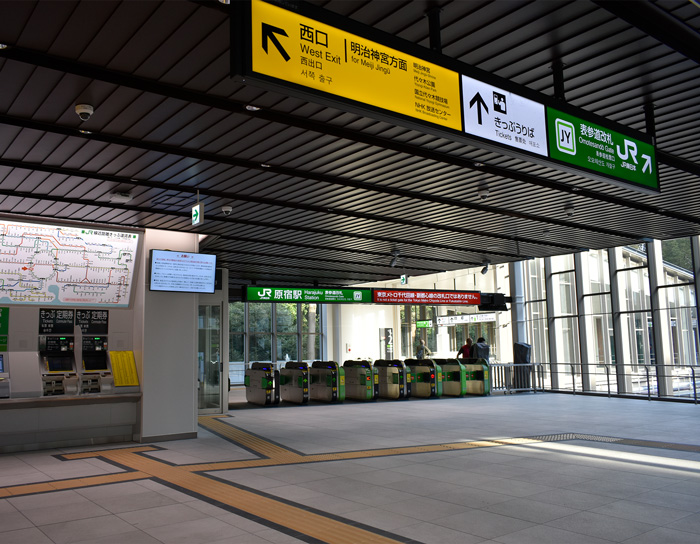
Photo by Wikipedia

| Station | Average travel time |
|---|---|
| Tokyo (東京) | 19 min |
| Shinjuku (新宿) | 5 min |
| Shibuya (渋谷) | 2 min |
| Shinagawa (品川) | 15 min |
| Ikebukuro (池袋) | 13 min |
| Ueno (上野) | 30 min |
| Nakano (中野) | 14 min |
| Yokohama (横浜) | 35 min |
Shopping in Harajuku: A Guide to Convenience and Luxury
Harajuku, a bustling hub in Tokyo, is renowned for its vibrant street culture, fashion, and shopping scene. Whether you're seeking daily necessities or luxury items, Harajuku and its surroundings offer a plethora of options to cater to all your shopping needs.
Everyday Essentials
Photo by Google Map
In the heart of Harajuku and its environs, several stores make everyday shopping convenient and accessible. These include:
Tokyu Food Show Shibuya Cast: Situated conveniently in Shibuya, this "urban mini-supermarket" by Tokyu Store offers a mix of convenience store ease with supermarket variety. It's celebrated for its fresh produce, daily essentials, and an assortment of prepared foods, catering especially to the urban dwellers and office workers in the area. Operating hours are from 7:00 AM to 11:00 PM, providing ample flexibility for early birds and late-night shoppers alike.
Mai Basket Jingumae 2-chome Shop: Just a 12-minute walk from Harajuku Station, this store offers a wide range of products from daily necessities to food items, making it a convenient stop for residents and visitors alike.
Bio c’ Bon Jingu-mae Shop: For those inclined towards organic food, Bio c’ Bon is a French supermarket chain located a 16-minute walk from Harajuku Station. It specializes in a wide array of organic products and health foods.
Kinokuniya International Aoyama Store: A 17-minute stroll from Harajuku Station will take you to Kinokuniya, known for its selection of international foods. It's an excellent spot for those looking to find ingredients from around the world.
These stores collectively provide a comprehensive shopping experience for locals and tourists, featuring a variety of products from fresh groceries to imported goods.
Luxury Shopping and Unique Finds
[Image: Harajuku]
Away from the daily essentials, Harajuku is also a treasure trove for luxury shopping and unique finds. The area around Omotesando, in particular, is lined with flagship stores of high-end fashion brands, offering a luxurious shopping experience. Here, you'll find the latest collections from renowned designers, limited edition products, and exclusive items that cater to the fashion-forward crowd.
These high-end stores not only provide luxury goods but also showcase the cutting-edge architecture and interior designs, making shopping there a visually stunning experience. Whether it's for window shopping or indulging in high-fashion items, the luxury boutiques around Harajuku and Omotesando are a must-visit for anyone looking to experience the opulence of Tokyo's fashion scene.
Shopping Scene in Harajuku
Pros:
- A wide variety of stores catering to both daily necessities and luxury desires.
- Convenient location with easy access to public transportation.
Cons:
- Some areas might have limited options for daily essentials, making it challenging for local residents.
- High-end shopping can be quite expensive, catering more to tourists and luxury shoppers than to those on a budget.
Harajuku Eats: From Street Sweets to Gourmet Feasts
View this post on Instagram
Harajuku, Tokyo, stands as a vibrant hub of youth culture, renowned not just for its fashion and music scenes but also for its eclectic dining landscape. This area draws both domestic and international visitors, eager to explore its diverse culinary offerings.
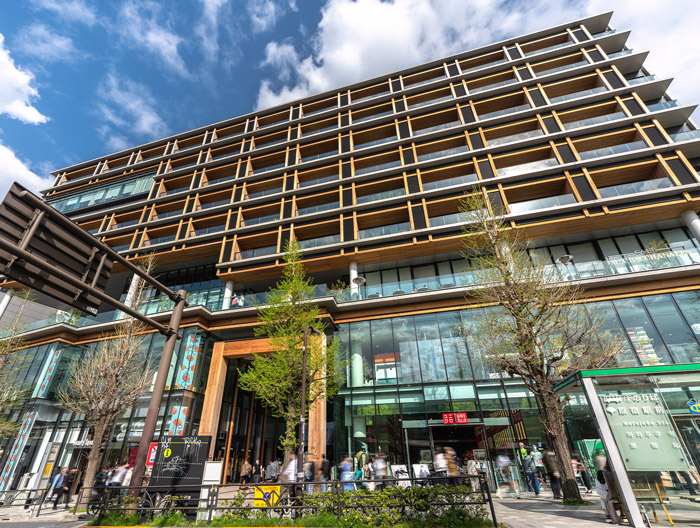
A significant highlight in the area is the upcoming opening of "Harakado" at Tokyu Plaza Harajuku, scheduled for April 17, 2024. This complex will feature a variety of dining options, including popular chains like Ippudo and family restaurant FAMiRES, alongside fashion and novelty stores. It's poised to become a new cultural landmark, offering a blend of creativity and community.
Takeshita Street and its vicinity are home to a plethora of dining establishments. Favorites include Cookie Time Harajuku and Crepes Harajuku Smile, catering to those with a sweet tooth, while ethnic cuisine lovers can enjoy spots like Kebab Box J.
According to Hot Pepper Gourmet, the Harajuku, Aoyama, and Omotesando areas boast a rich selection of eateries. With 329 cafes and sweets shops listed, alongside a wide range of other culinary genres, the options cater to various tastes and occasions.
Whether it's dining, grabbing a drink, dating, or hanging out with friends, Harajuku's food scene offers appealing choices for diverse scenarios. The opening of "Harakado" is particularly anticipated to inject fresh energy into the local dining scene, making Harajuku an even more exciting destination for food enthusiasts.
Harajuku's Educational Landscape: A Global Perspective
Source: Shibuya Junior & Senior High School
Harajuku, a vibrant district in Tokyo, is renowned not just for its fashion-forward streets but also for its distinctive educational environment, which heavily emphasizes internationalism and cross-cultural understanding.
International Focus
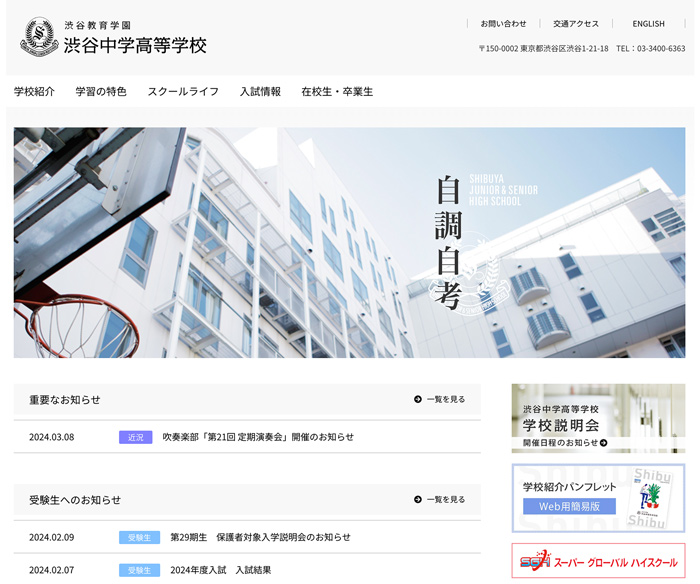
Shibuya Educational Academy Shibuya Junior and Senior High School leads the charge in the region, showcasing exceptional achievements in guiding students toward higher education both in Japan and abroad. The school's success in sending students to overseas universities is particularly noteworthy, placing it among the top in Japan. This focus on global education reflects a broader trend in Harajuku, where educational facilities are designed to foster international awareness and competence.
Cultural Exchange and Understanding
Beyond Shibuya Educational Academy, Harajuku is sprinkled with international schools and specialized language institutions. These schools serve a crucial function in today's global society, which values the ability to navigate diverse cultural landscapes and embrace global citizenship. They offer programs aimed at developing the skills necessary for students to succeed in a multicultural world.
Innovative Education for Global Leaders
An example of Harajuku's commitment to international education is the Shibuya Girls' International School. This institution is devoted to empowering students to make a global impact, with a curriculum that includes English conversation and video production, among other subjects. Such innovative educational offerings are representative of Harajuku's educational institutions' aim to produce not just learners, but future leaders who can thrive on the world stage.
The Other Side of Harajuku: A Journey Through Nature and History
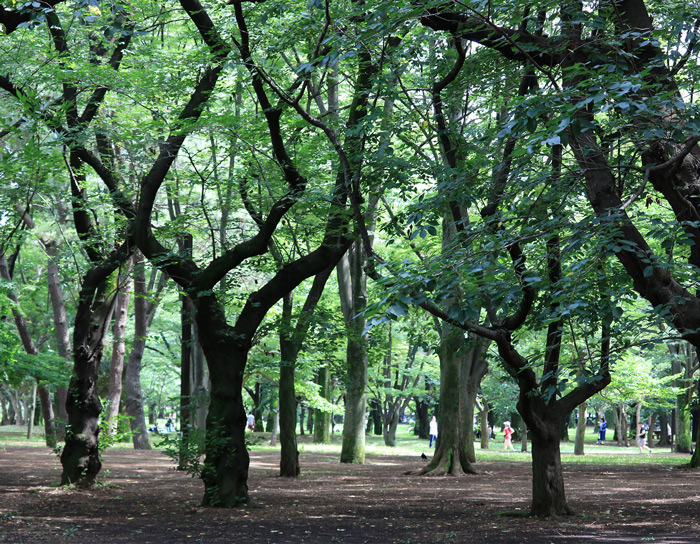
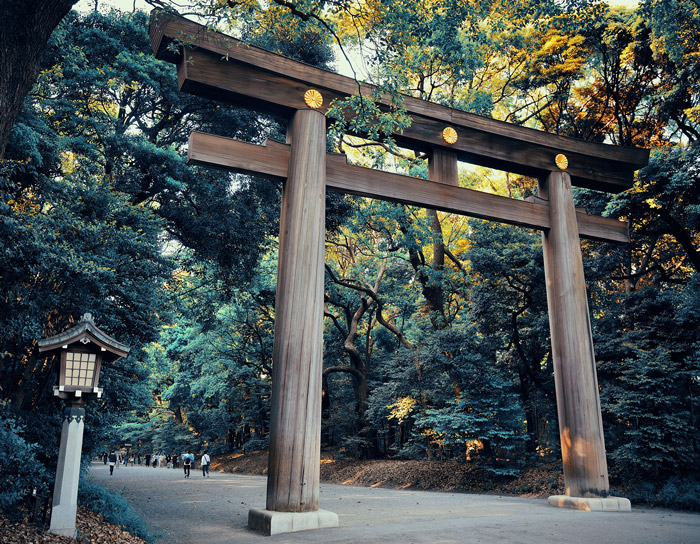
Nestled in the heart of Tokyo, the Harajuku Station area presents a unique blend of nature and culture. On the west side, Meiji Shrine and Yoyogi Park stand out as tranquil havens where visitors can escape the urban bustle and immerse themselves in lush greenery.
The Meiji Shrine, established in the Taisho era, has played a significant role in the development of the Harajuku area. Throughout the year, it draws crowds for various occasions such as New Year's visits and weddings, making it one of Tokyo's most revered sites. On the other hand, Yoyogi Park, opened in 1967, offers a vast expanse of nature right in the city center. The park is cherished for its spacious grounds and abundant greenery, serving as a reminder of its past as the site of Washington Heights, thereby adding to the area’s cultural diversity.
While the east side of Harajuku Station is buzzing with fashion and shopping hubs like Omotesando and Takeshita Street, the area also harbors serene spots where nature and history intersect, providing a stark contrast to the lively surroundings. The Harajuku Station vicinity seamlessly blends the vibrancy of modern life with the serenity of nature and the depth of history, offering a multifaceted charm and a peaceful retreat to its visitors.
Investing in Diversity: Harajuku's Real Estate Opportunity
Harajuku is the heart of Tokyo's youth culture and fashion, making it a district brimming with diverse attractions. From Takeshita Street to Omotesando and the serene Meiji Shrine, real estate in this area offers a valuable investment opportunity in the midst of cultural diversity and economic growth. The area's internationalism and rich educational environment add to its appeal, creating a welcoming atmosphere for foreigners as well. Harajuku and its surrounding areas have established themselves as attractive real estate markets with a long-term perspective. Investing in this region represents a smart step towards embracing a diverse lifestyle and sustainable economic growth in Tokyo.